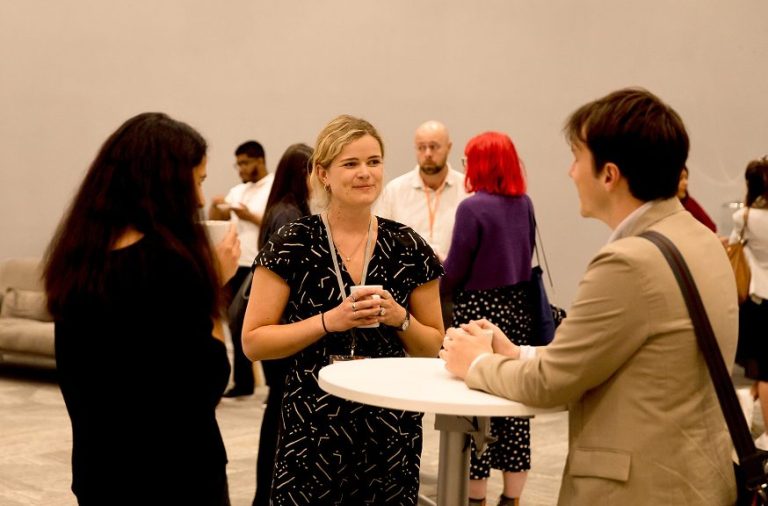
As part of Lifelong Learning Week, Dipa Ganguli OBE, Principal of WM College and Chair of Holex, reflects on why WM College’s mission to widen access to education is just as important as ever as the college celebrates its 170th year.
In today’s fast-paced world, education is not just a phase – it is a lifelong journey. With the global landscape shifting rapidly, embracing lifelong education is essential for health and wellbeing, social cohesion, economic prosperity and combatting disinformation.
Today, we need to develop learning ecosystems that work across life, in every setting and benefit everyone through building capacity at local and national levels, strengthening partnerships, and offering trusted data and knowledge.
Learning for and at work is an integral part of adult education and a major component of lifelong learning. The reality we now face is that as technology transforms the workforce, workers must retrain multiple times throughout their lives to stay relevant. Lifelong learning supports this demand and ensures that adults can fully participate in society and the workforce, equipping them with vital skills – from basic literacy to advanced digital competencies. Quality learning opportunities must be accessible to all. Inequalities still run deep, often leaving those who need help the most on the sidelines.
170 years of WM College
The story of the Working Men’s College, founded in 1854, is a powerful testament to this need for accessible education – ensuring education for all, not just a privilege for the few. Their vision was to create a space where everyone, regardless of background, could engage in liberal education for its own sake, leading to inward enrichment and teaching values.
Today, 170 years on, our mission as the oldest adult college in the country still resonates as inequalities in education persist. Investment in adult education has declined, yet its benefits are clear. A well-educated workforce boosts productivity, reduces unemployment, reduces pressures on welfare benefits and the NHS and strengthens social cohesion.
Building digital skills in an ageing population
By preparing for the shifts associated with an ageing population and returning adult education funding to 2010 levels by 2029, we can ensure that no one gets left behind.
Consider this: by 2050, the global population aged 60 and over is projected to hit 2.1 billion. Around one-third of adults aged 55 to 65 do not possess computer skills and only 1 in 10 are assessed as having medium to good critical thinking skills in a technology rich environment.
This “grey digital divide” is not just a statistic; it is a barrier to participation in an increasingly tech-driven world. Integrating digital literacy into adult education is no longer optional – it is imperative.
Strategies must be implemented for integrating digital competencies into adult education policies and practices, ensuring that adult educators are equipped with the tools they need to succeed in an increasingly digital world and that providers are supported to pay staff on an equal playing field in the education sector, ensuring sustained quality.
Benefits of an inclusive learning ecosystem
Ultimately, for the nation to be economically productive in the future it is essential to have a literate, numerate and well skilled workforce – and furthermore, the health and vibrancy of our communities benefit from a thriving adult learning provision. Adult skills can deliver a positive return on investment though reducing unemployment by providing individuals the skills and knowledge required to secure employment.
Let us commit to fostering an inclusive, thriving learning ecosystem that benefits everyone. Lifelong learning is not just about skills; it is about empowering individuals and enriching communities. Together, we can build a future where everyone can learn, grow, and contribute – no matter their age.